Koko: The Body as Sculpture
EN · EnglishClassical sculpture, uniform skirts and the Van Horne skatepark. A conversation with Koko, from 2022.
Interview from 2022. The text describes Koko’s research and collection development at that time.
Attuned to the dualities within gender, Koko (they/them, she/her) explores the human body as sculpture. A fashion industry still segregated into menswear and womenswear, with narrow standards for models’ bodies, led them to question how the body carries identity—and how much of that identity belongs to the individual rather than the state or those in power. “There are a lot of things that they decide, that are not what you feel internally.”
As they build their relationship with their body, Koko explores how garments can shift figures and proportions, covering or emphasizing parts of the body. They are drawn to the emotional encounter with a sculpture in a museum or a statue in the street: something three-dimensional that relates to its space and environment, like another body.
“As an artist, a creative, or a designer, there’s always this kind of dialogue with what’s beautiful or what’s desirable. I feel like I and most of my friends don’t fit in what’s expected to be a perfect beauty.” Standing before classical art, Koko translates beauty through her own senses, bringing her community’s forms of expression into view. “I’m trying to rewrite history in a way, from the point of view of a trans person and their relationship with their body in the face of these dogmas that have been imposed on us, exposing the trans body and experience of their complexities as they’re almost non-existent in history books and museums.”
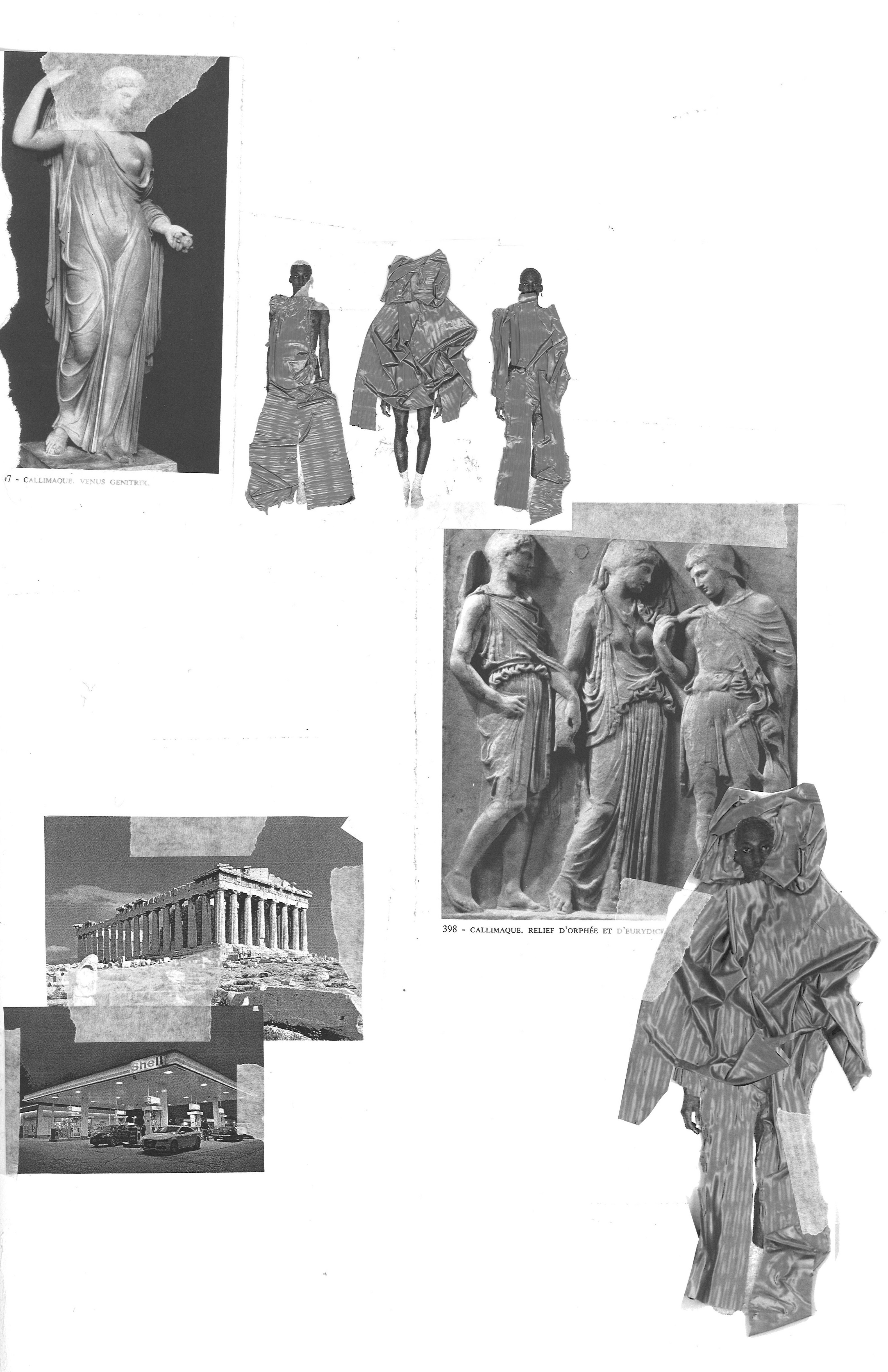
Ancient Greek history became a starting point for their research. Koko places images of ancient amphitheatres beside a Montréal skatepark covered in graffiti, or a temple in ruins beside a gas station. These comparisons connect classical spaces with ordinary places where queer people gather and let loose.
The collection pays homage to places such as the Van Horne skatepark and “the tunnel,” an underground gathering place for raves and parties. It also acknowledges the people Koko has encountered there, claiming space through outfits that refuse the rules imposed on their bodies.
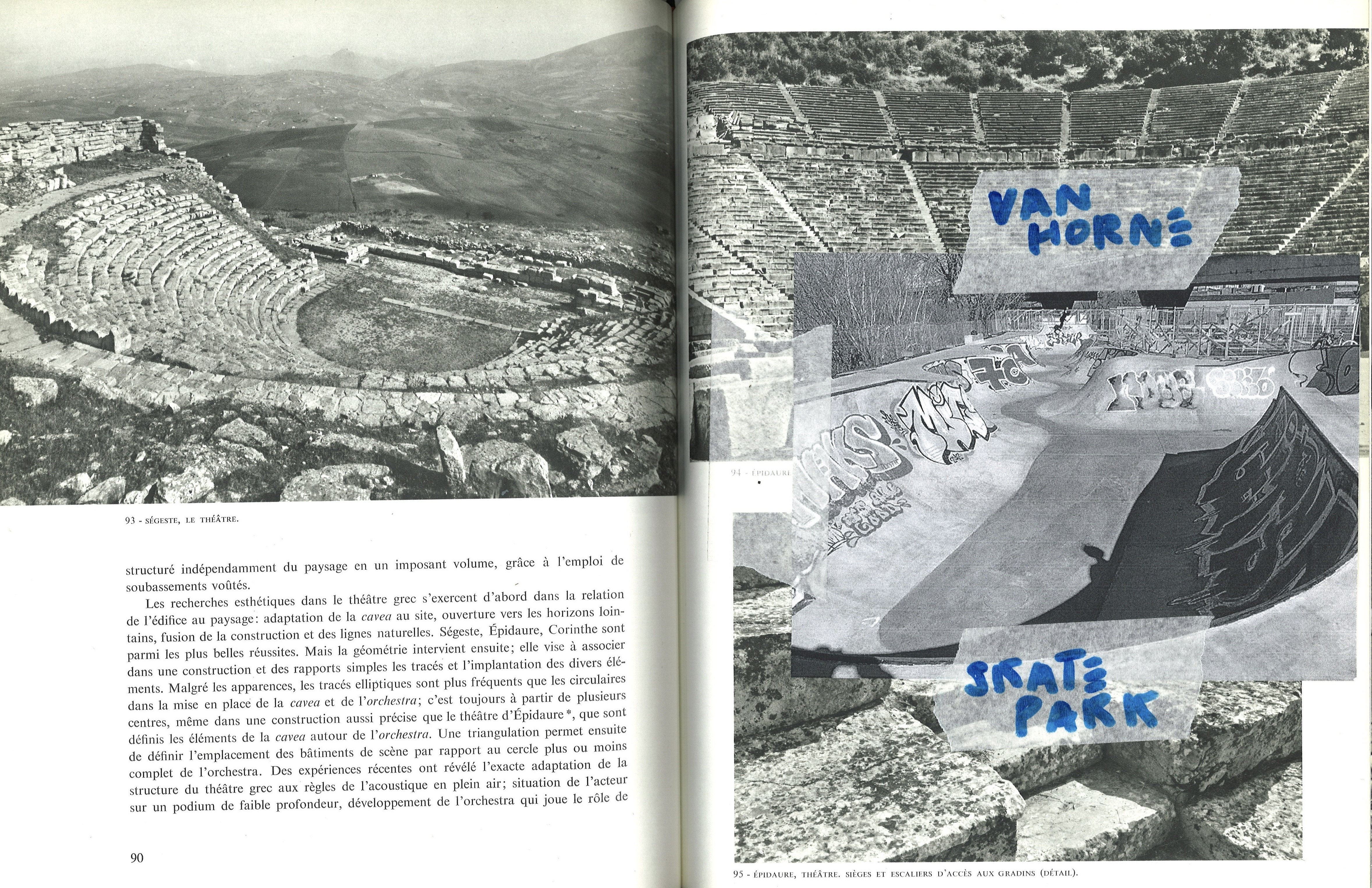
In their sketchbook, Koko draws a parallel between the ramps at Van Horne and the ancient arena, reading both as masculine proving grounds. Events such as TRAN HORNE TAKEOVER made the skatepark a place where queer people could gather, hang out and party in a respectful environment. “I want it to be a celebration because I feel like the people I’m surrounded by are also very actively breaking bounds, breaking boundaries, breaking rules.”
Art school gave Koko access to drawing, painting, sculpture and installation. They gravitated towards installation and performance as their interest in the body’s relationship to space grew. Sculpture, they recall, was their worst subject at school. It was also the medium that kept drawing them back.
In a past performance, Inflamada—Spanish for “inflamed”—Koko used a visual metaphor to explore their frustrations after experiencing physical assault in Moscow. For this collection, street art and graffiti become another means of working through emotion. Koko draws a connection between graffiti’s status as an illegal, visible intervention and the risks of being visibly trans in many places.
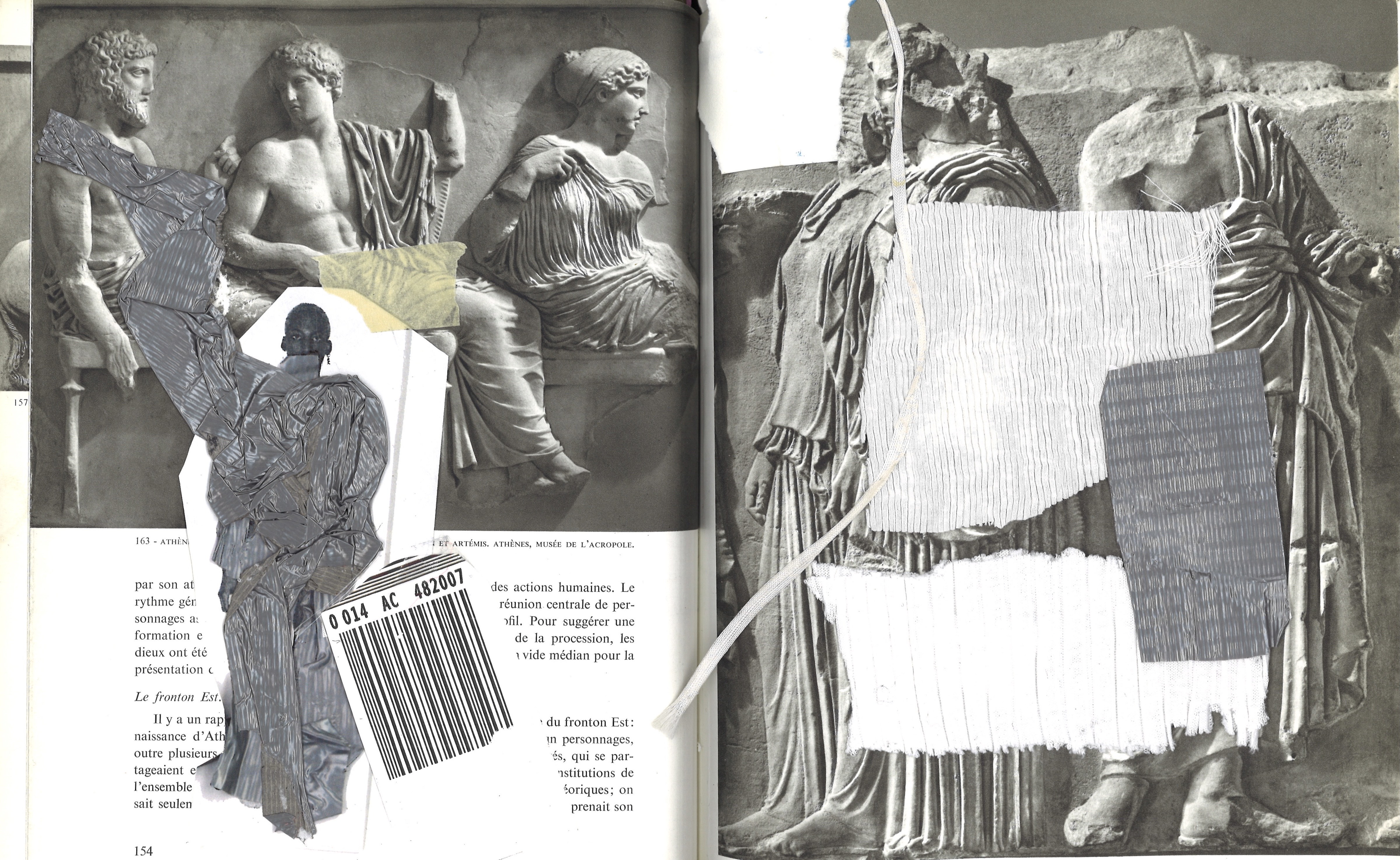
They intervene in an academic book on classical Greek art, juxtaposing its images with material that resonates with their identity and relationship to the body. Reading architectural columns through gender, Koko contrasts rigid, straight forms with ornamental curves. These associations become a way to work between binaries, developing clothing that shifts and distorts the figure in ways familiar from how she and her friends dress.
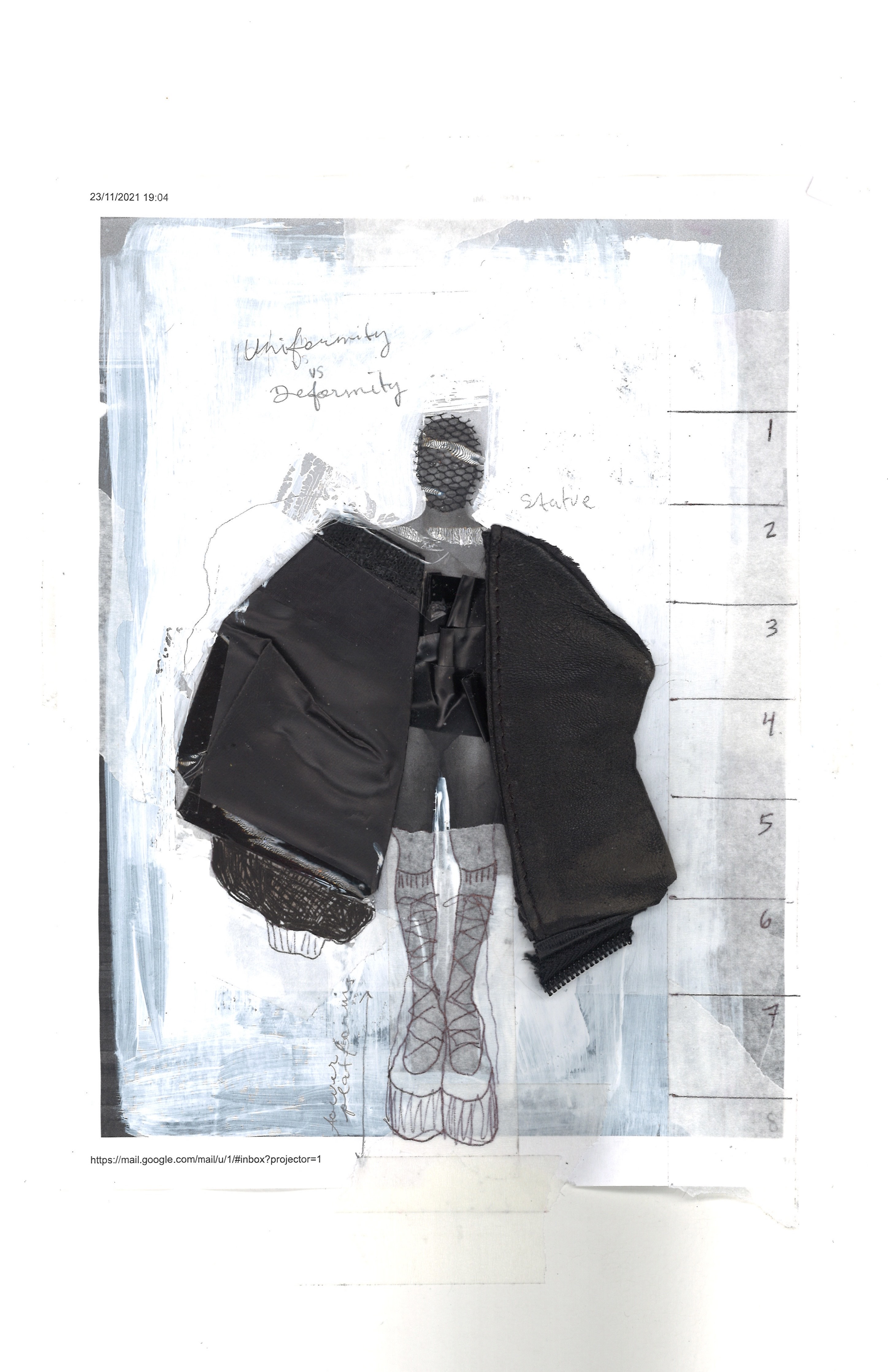
The research also allows Koko to insist that people like them and their community have existed throughout history. “It’s just that it’s been erased, or never been talked [about], because it doesn’t fit the order imposed by the people in power.” In their own clothes, covering the body and reshaping it are connected pleasures.
Koko recalls getting in trouble at school for wearing a uniform skirt, deemed “inappropriate”—the same garment girls were expected to wear. Little pleated skirts also recall the lower part of a Greek warrior’s armour. These imposed designs become material to intervene in. In an early piece connected to the collection, Koko deconstructed girls’ uniform skirts to create an outfit for Chris, an artist and singer in PELADA.
Silver duct tape gives the impression of draping as Koko explores shapes and colours over small figures in the research book. Set against black-and-white sculptures and draped linen, the tape puts a stiff material into dialogue with a soft, malleable one. It becomes a means of covering and protecting the body, almost like a safety blanket.
By shifting proportions—torso, legs, shoulders—clothing offers Koko a way through exhausting moments of dysphoria. Like wet clay in a sculptor’s hands, it becomes a medium for moulding and framing the body as they find it beautiful.
At the time of the interview, Koko was working towards a first collection for the coming autumn.
Words by Sainte Dery
Images: research material from Koko’s interview folder.
Design Process Interview
Recevez les nouveaux articles LDF et les projets liés à ce sujet.
CHOISIR CE SIGNAL ↓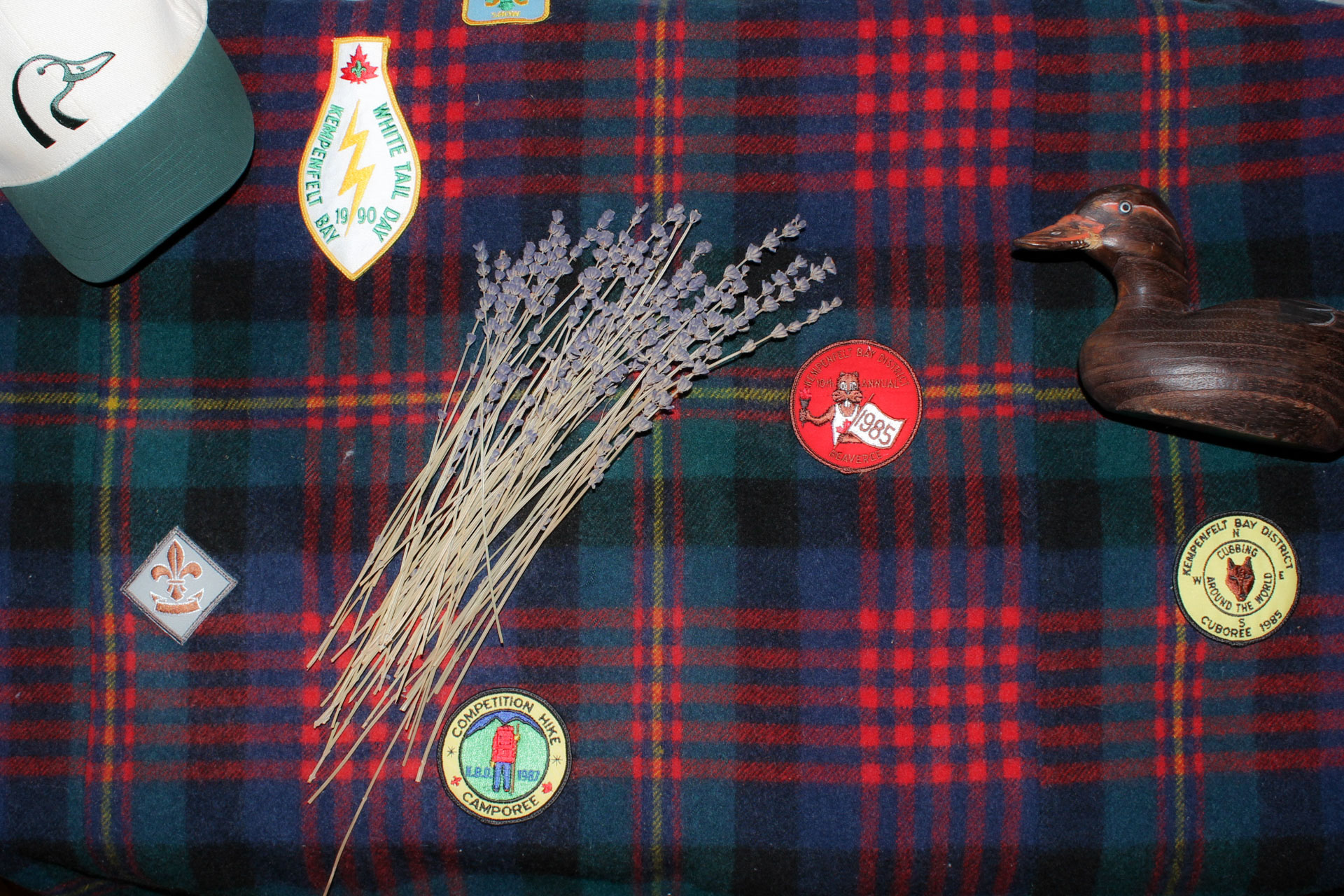
Breaking Down Gender Norms: A Journey into William Crosson's Graduate Collection
EN · EnglishOUVRIR L’ARTICLE →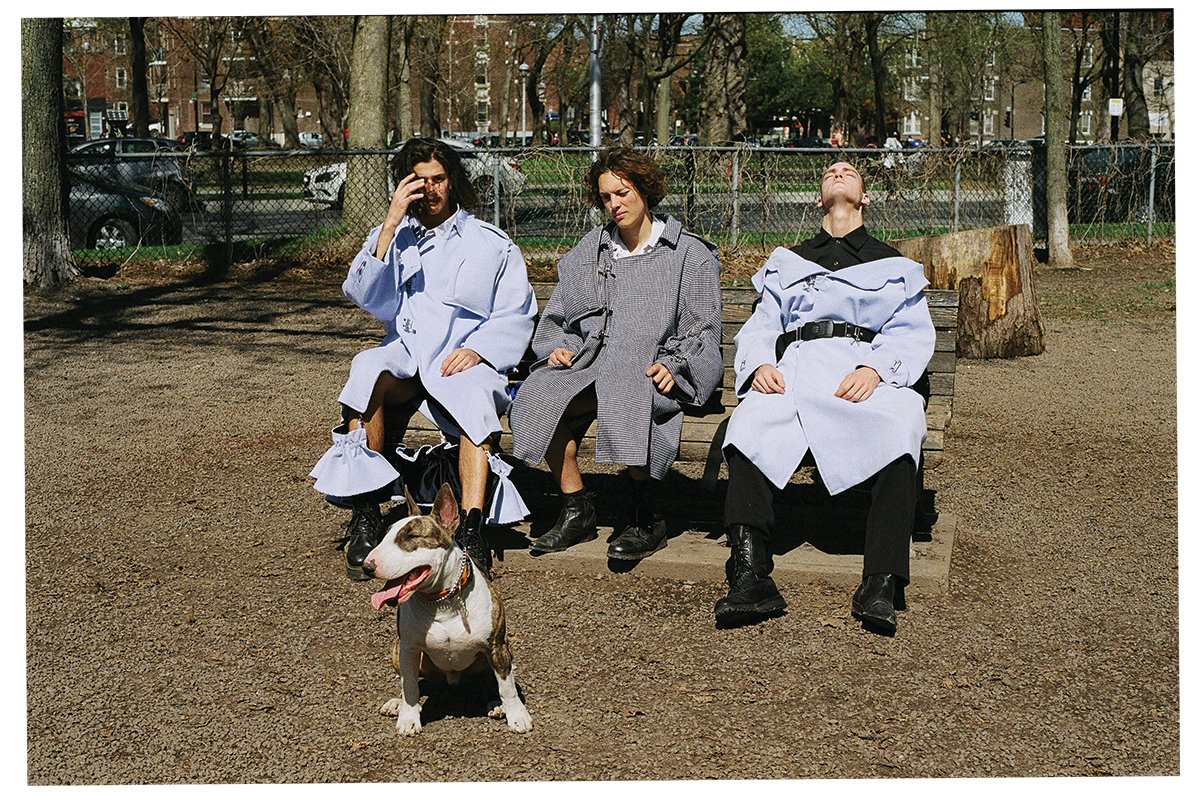 Design Process Interview
Koura Rosy Interviews Fashion Designer Wan Hua Li: Exploring Identity Through Design
EN · EnglishKoura Rosy · 6 MIN →Ill Davo
EN · EnglishMilan Tanedjikov · 5 MIN → Design Process Interview
Resonance of Solitude: Giovanni Caci's Ostracism-Inspired Collection
EN · EnglishDanielle Medland · 6 MIN → Design Process Interview
JuHee Park
EN · EnglishRoxanne Ouellet-Bernier · 6 MIN →Daniel Bosco
EN · EnglishRoxanne Ouellet-Bernier · 6 MIN →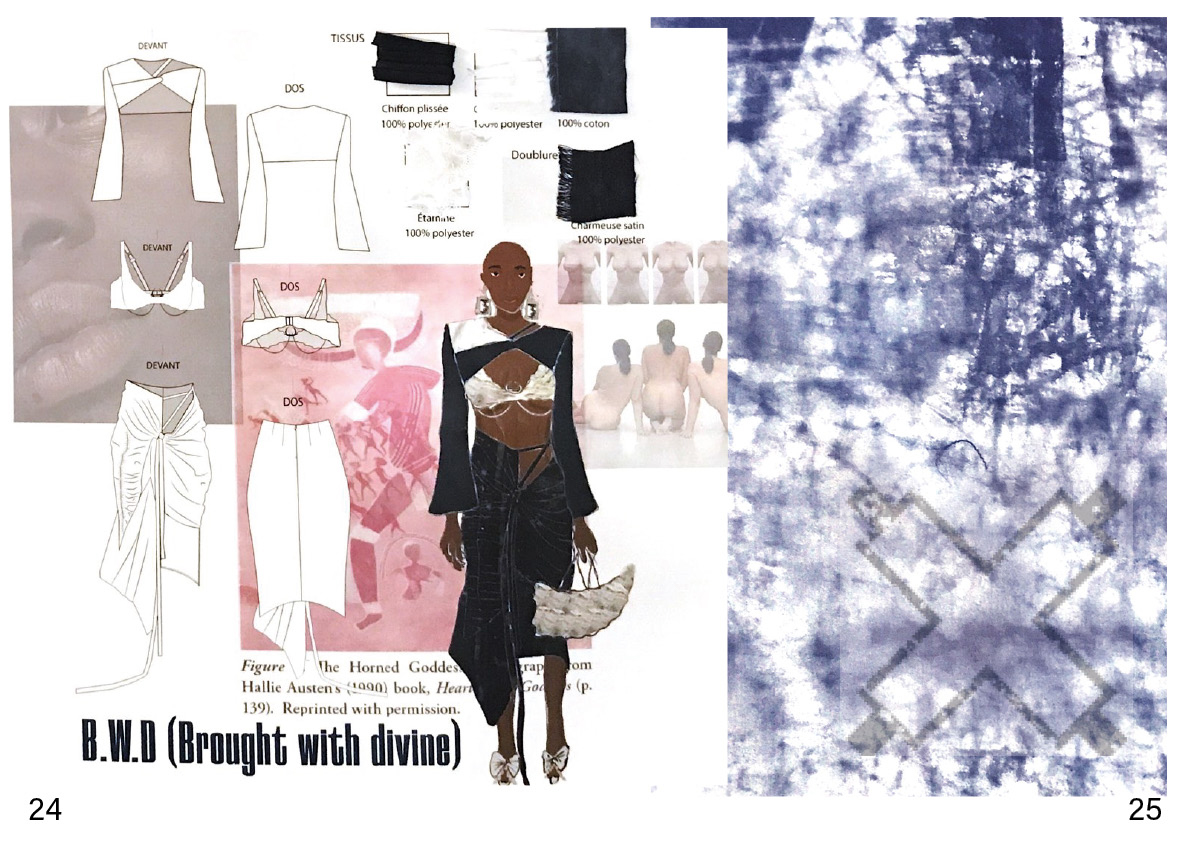 Design Process Interview
Elisabeth Atchadé
EN · EnglishLorenza Mezzapelle · 6 MIN → Design Process Interview
Raphaël Viens
EN · EnglishRoxanne Ouellet-Bernier · 8 MIN →FAIRE GLISSER POUR EXPLORER →